Individual Emergency Preparedness
Take time to think about your daily routine and your unique needs. What can you do now to make sure you can respond to an emergency and recover from a disaster that disrupts your normal life for days or even weeks?
Personal preparedness starts with knowing the hazards that threaten your community, whether that’s wildfire, flooding, severe winter weather, or earthquake, and understanding that tribal lands are often rural or remote, which can mean longer wait times for outside emergency responders to reach you. That makes being ready to care for yourself even more important.
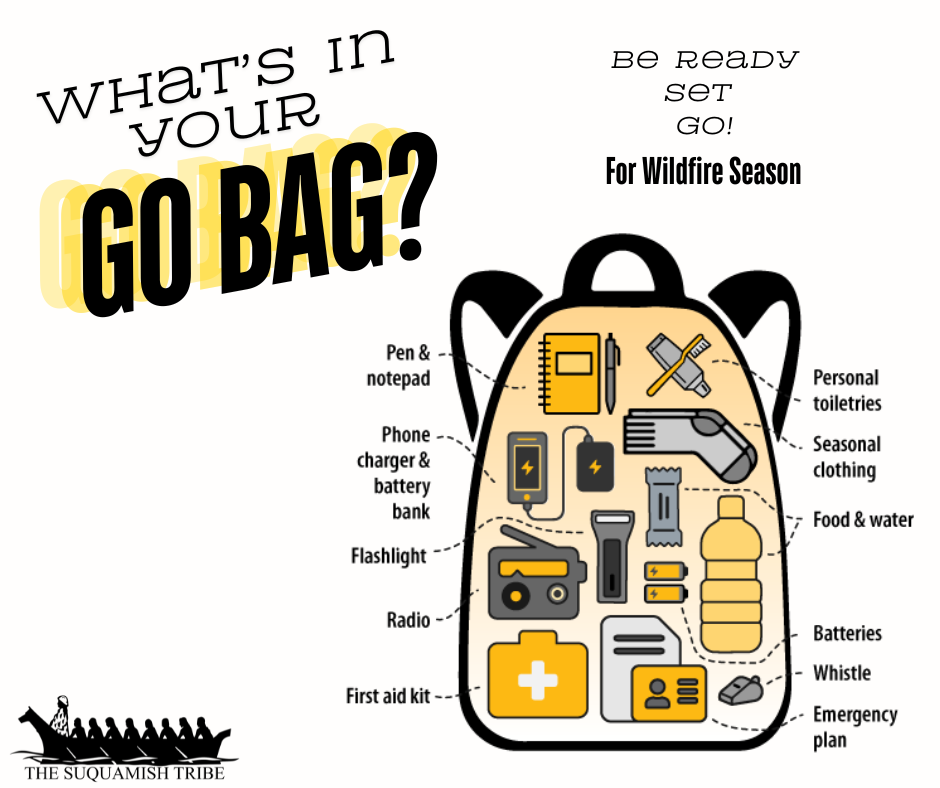
Preparedness also means having essential supplies on hand for your home, workplace, and vehicle. You likely already own most of what you need, the key is gathering it in one place. Your emergency kit should include, at a minimum:
- Water – 1 gallon per person, per day (for drinking, cooking, and washing)
- Food – Non-perishable, ready-to-eat foods, including any traditional or culturally important foods. Choose items you’ll actually eat, and check expiration dates regularly
- First aid supplies – Bandages, antiseptic wipes, gauze, scissors, tweezers, pain relievers, and any prescription medications or personal medical equipment
- Electronics – Hand-crank or battery-powered light sources, a portable radio for emergency alerts, extra batteries, and a backup way to charge your phone or devices
- Clothing – At least one extra set of warm clothing, rain-proof outerwear, and sturdy, comfortable shoes in case you need to walk long distances
- Important documents – Copies of your tribal enrollment, ID, insurance, and medical records, kept in a waterproof or portable container
Click the button below to learn more.