
Community Preparedness
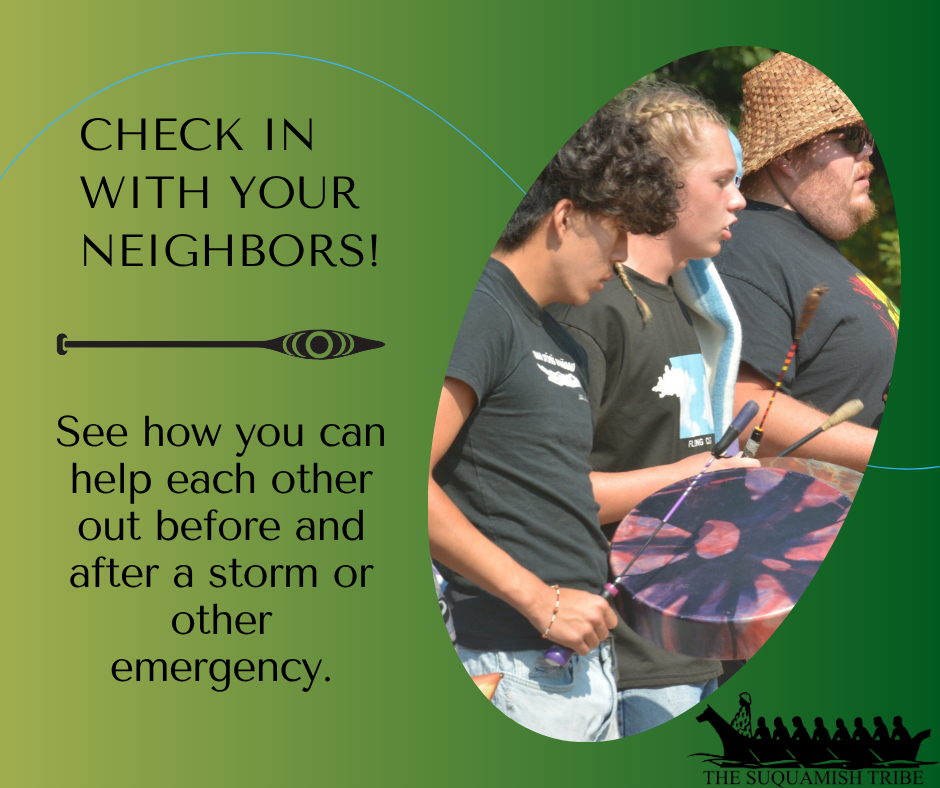
Take time to think about your neighbors, your neighborhood, and the resources and skills already present in your community. What can you do now to make sure your community can respond together and recover from a disaster that disrupts normal life for days or even weeks?
Community preparedness starts with knowing the hazards that threaten the area, whether that’s wildfire, flooding, severe winter weather, or earthquake, and understanding that our peninsula location can mean limited routes in and out, so roads may be blocked and outside emergency responders may take longer to reach us. That makes neighbors being ready to look out for and support one another even more important.
Preparedness also means knowing what resources, skills, and gathering places already exist within the community, and building relationships before an emergency happens, not during one. Consider building the following, at a minimum:
- Know your neighbors – Learn who lives near you, especially elders, families with young children, or anyone who may need extra help during an emergency
- Community gathering points – Identify and know the location of designated meeting sites, shelters, or safe gathering areas in case of evacuation
- Shared skills & resources – Take note of neighbors with useful skills (first aid, medical training, chainsaw operation, ham radio) or equipment (generators, boats, extra supplies) that could help the community respond
- Communication plan – Know how emergency alerts and updates are shared in your community (radio, text alert systems, tribal emergency management contacts) in case cell service or power is disrupted
- Community supply cache – Support or help maintain any shared emergency supplies kept at a community center, clinic, or other central location for those in need
- Cultural & elder knowledge – Recognize and draw on traditional knowledge and experience within the community for guidance on local hazards and resilience practices
- Check-in system – Establish a way for community members to check on one another, particularly elders and vulnerable neighbors, after an emergency occurs