
Spring Greens event and cook-off brings the heat to House of Awakened Culture
By Jon Anderson
Suquamish Tribe Staff Writer
The Suquamish Tribe’s Spring Greens event opened April 10 with a shared meal and a celebration of traditional plant knowledge at the House of Awakened Culture, bringing community members together to reconnect with the seasonal foods that have sustained the Suquamish people since time immemorial.
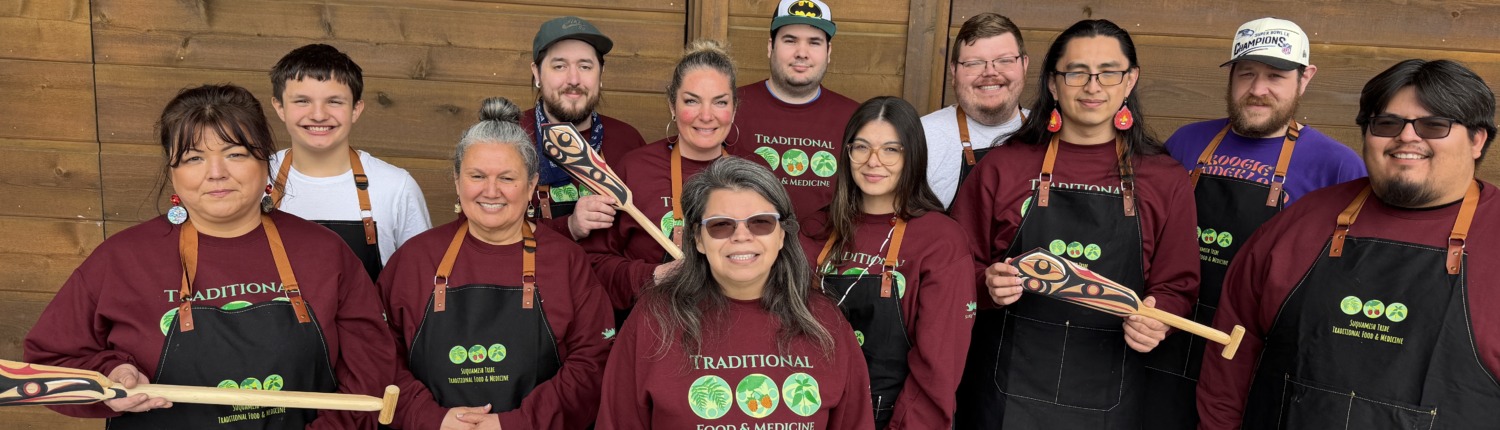
Hosted by the Traditional Food & Medicine program and led by coordinator and Council Member Azure Boure, the evening set the stage for a full day of hands-on learning the next day.
Boure walked attendees through a range of traditional plants, several of which would be featured in Saturday’s workshops.
“Eating seasonal foods reconnects us with the rhythm of the land,” Boure said. “That’s how our ancestors lived, day to day.”
She also emphasized ethical harvesting — encouraging people to gather in clean areas, be mindful of their surroundings, and approach the work with intention and gratitude.
“We are blessed here on the reservation,” Boure said. “There are lots of places, little nooks and crannies where you can find so many different things.”
Among the plants highlighted were:
- Big leaf maple: Bright green spring blossoms are edible and nutrient-rich, often prepared as fritters during their short seasonal window.
- Dandelion: A highly versatile plant with edible leaves, flowers, buds, and roots, used in everything from biscuits to teas.
- Cleavers: A sticky woodland plant that can be juiced or blended, valued for supporting the body’s lymphatic system.
- Nettle: A nutrient-dense “superfood” used in teas, soups, and smoothies, far surpassing many common greens in vitamin content.
- Miner’s lettuce: A mild, nutrient-rich green often mistaken for a weed, easily used fresh in salads or cooked into soups
Throughout the evening, Boure mixed instruction with personal insight, encouraging curiosity and openness when trying new foods.
“We call it ‘don’t yuck my yum,’” Boure said, drawing laughter from the crowd as she encouraged participants to approach unfamiliar foods with respect.
She also spoke about the importance of mindfulness while gathering, describing how even the sting of nettle can serve as a reminder to stay present.
“If I’m out there thinking about everything else, I get stung,” Boure said. “It’s a reminder to be in the moment.”
Harvest Basket Challenge brings the heat
That foundation carried into Day 2, where the space transformed into a lively mix of learning stations and a spirited cooking competition. Participants rotated through hands-on workshops, working directly with plants like dandelion, nettle, and big leaf maple —learning not just how to prepare them, but how to identify and gather them responsibly.
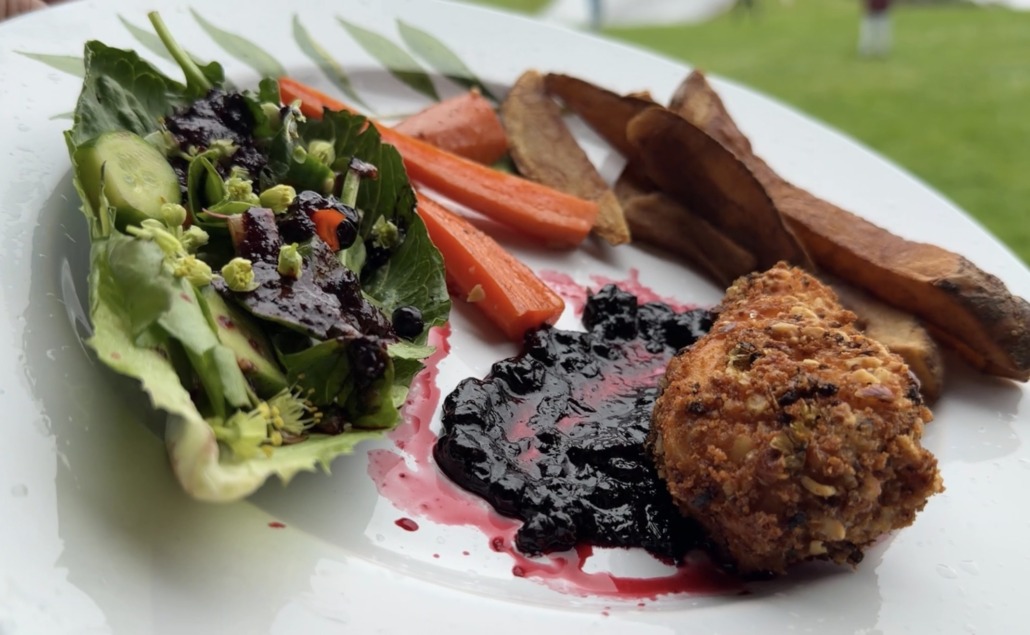
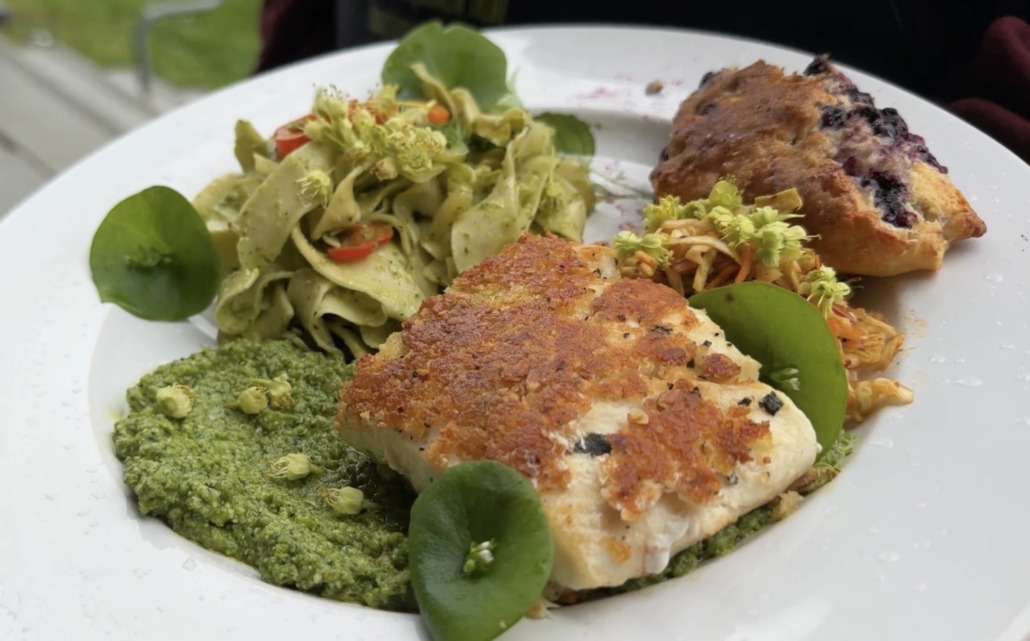
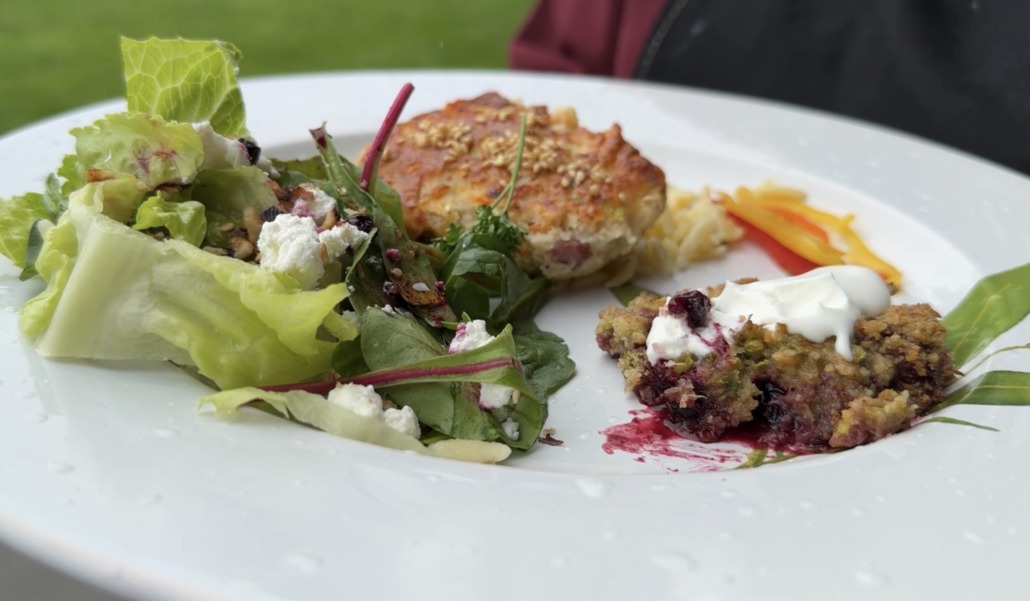
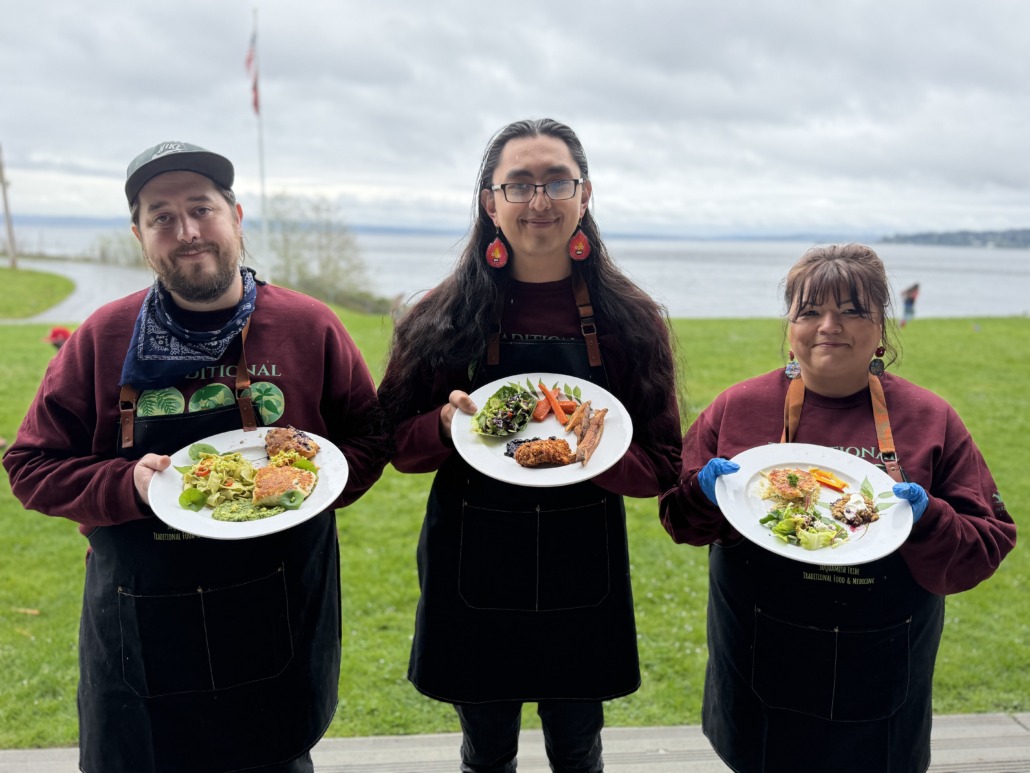
Meanwhile, the heat turned up as three teams stepped into makeshift cooking stations for the inaugural Harvest Basket Challenge, bringing the sounds of chopping, laughter, and a little bit of friendly chaos in the Chopped-style cook-off.
Hosted by Cultural Resources Director Kate Ahvakana, the teams were given a mystery basket and a three-hour window to transform traditional ingredients into something memorable.
Each team brought its own energy to the floor. The Culture Team — calling themselves “3 and a Half Men” — worked with quick coordination under team captain Vincent Chargualaf, alongside Joey Holmes, Ryan Boure, and Christian Lawrence.
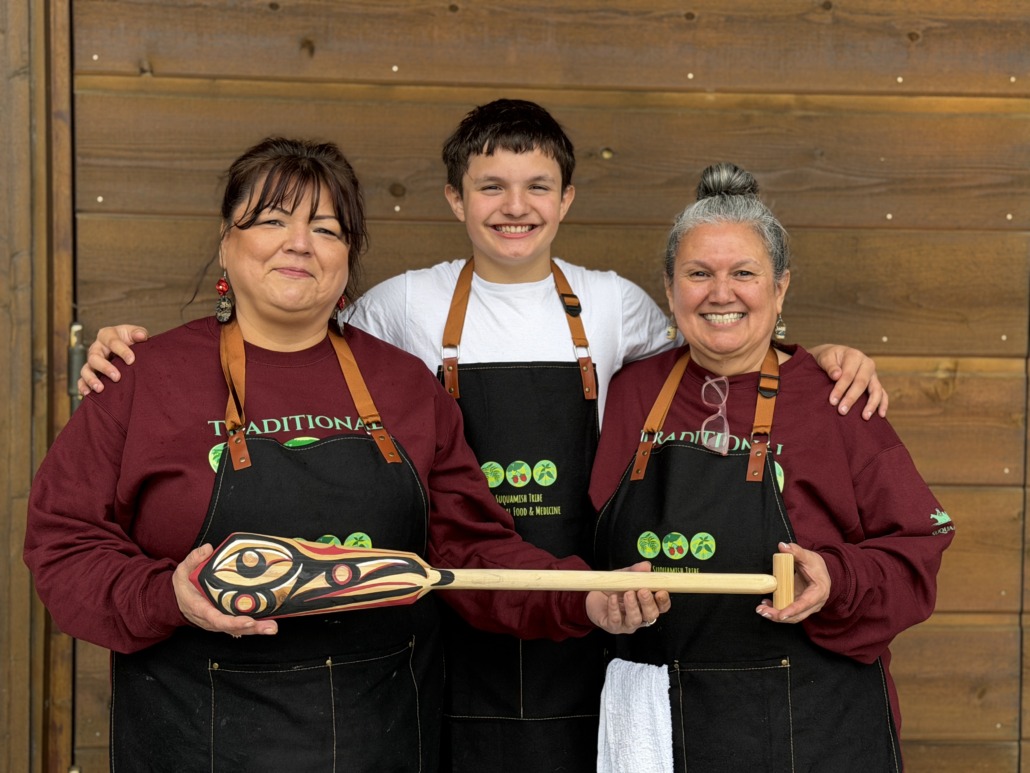
Across the room, the Elders Kitchen team, known as the “Kayas,” leaned into experience and steady hands. Team captain Marie Sanders led the group, joined by Juanita Holton and tribal youth and budding young chef Grayson Moss.
The Marion Forsman Boushie Early Learning Center team — proudly calling themselves the “ELC Family” — brought a collaborative spirit to the competition, working together under team captain and ELC head cook Michael Skeman to create dishes that reflected both creativity and connection.
Connection to the land was front and center when ELC team member Samantha Robson found fresh inspiration during a mid-competition break to forage fresh ingredients, bringing them back inside to incorporate into their meal.
As the clock ticked down, the room filled with the sounds of laughter, encouragement, and last-minute adjustments.
At the judges’ table, Misty Sigo, Tribal Elder Donna Sigo, and Vice Chair Josh Bagley sampled each dish, weighing creativity, flavor, and presentation against the use of traditional ingredients. It was no easy task. Each team brought something distinct to the table, they said, making the final decision a close one.
Want to find out who won?
Watch the action unfold and see who earned the title of the Harvest Basket Challenge Champions in the video below!

