
Community Health sets up shop in Suquamish CARE Center
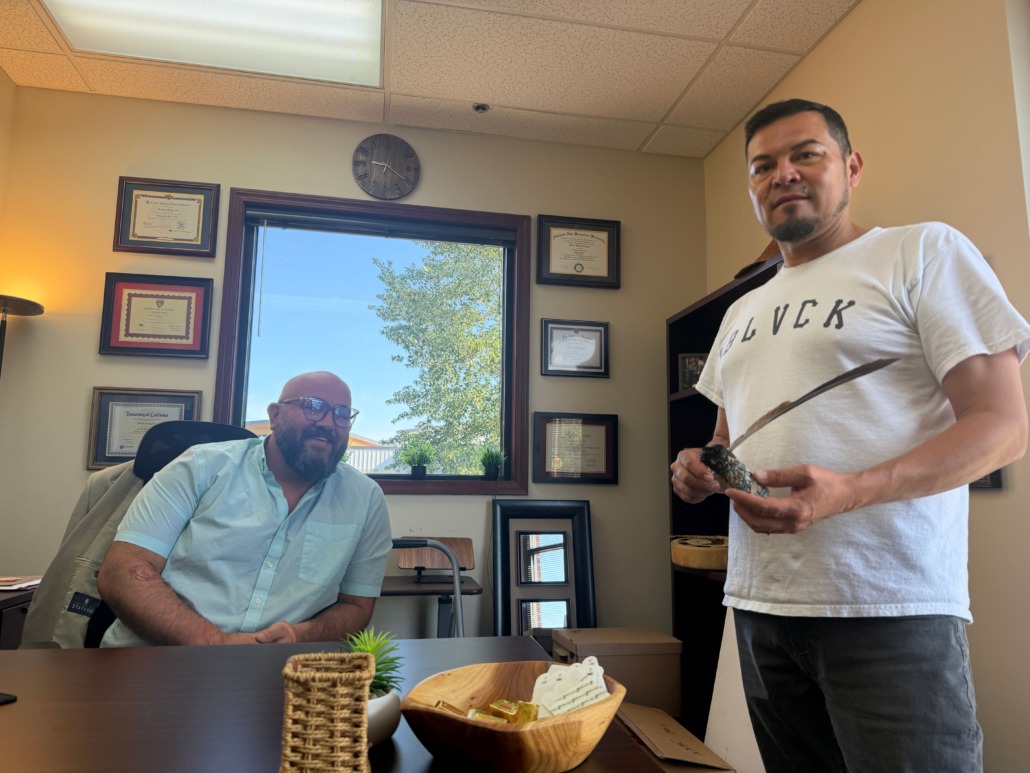
On a recent morning inside the Suquamish CARE Center in Poulsbo, the earthy smell of burning sage danced in the air as Community Health front desk staffer TJ Johnson moved quietly through the second-floor offices, smudging the spaces and preparing them for a new chapter of service to the Suquamish community.
While the department’s home base has changed, Community Health Manager Jeff Riggins said the focus remains exactly the same: reducing barriers to care, not creating them.
“We’re not in the business of creating more barriers,” Riggins said. “We’re here to take care of people and that’s exactly what we will do here.”
Community Health officially opened in its new on location May 26. The move shifts the department’s administrative offices from Suquamish to Poulsbo, but Riggins emphasized that many clients may barely notice the difference.
“The majority of people that are receiving services won’t see a change at all,” Riggins said.
That’s because much of Community Health’s work already happens throughout the community rather than from behind a desk. Staff routinely meet clients in their homes, provide transportation to appointments, deliver medications, and arrange appointments in locations that are easiest and most comfortable for tribal members.
For clients accustomed to stopping by the Tribal Admin Center in Suquamish, Community Health plans to continue accommodating those needs whenever possible.
“If somebody thinks this move creates a barrier for them, we want them to reach out,” Riggins said. “We’ll meet them at the Tribal Admin Center, we’ll meet them at home, we’ll bring them what they need. That’s what Community Health means — we work in the community.”
The Community Health team can reserve private meeting rooms in Suquamish for appointments and consultations when preferred. Medication drop-offs and pickups will also continue to be coordinated around community members’ schedules and needs.
Riggins noted that the department has quietly relocated multiple times in recent years with little disruption to clients.
“This is our third move in the last five years, and a lot of our clients probably don’t even know it,” he said. “That’s because we do everything we can to mitigate those barriers.”
At the same time, the new CARE Center location may actually improve access for some clients, particularly those living closer to Poulsbo or elsewhere in north and central Kitsap County.
Another move is likely in the cards, once designs for the tribe’s new multi-service health and wellness clinic are completed and renovations to the 30,000-square-foot former bank building begin next year.
That’s okay, said Riggins, who described moving as part of the department’s broader mission of adapting to changing community needs while maintaining consistent care.
“Our physical home base may move around,” he said, “but our services shouldn’t be impacted regardless of where we’re located.”
Riggins said the department’s long-term strategic planning process is built around identifying new gaps in care and responding directly to community needs.
“We fill the gaps in the community,” he said. “If this move creates a barrier for somebody, then it’s our responsibility to help fix that.”
For now, Community Health staff say they are settled in, open for business, and ready to continue serving the community — whether that happens in Poulsbo, Suquamish, or wherever people need them most.
Community Health services remain rooted in community service Suquamish Community Health provides a wide range of programs and services for Suquamish tribal members, their families, and the local community, including:
- Women, Infants and Children Program (WIC):Community Health currently serves roughly 200 participants through its WIC program. Most appointments are handled remotely or through home visits, helping families access nutritional support and resources without needing to travel. • Nurse Family Partnership: The department recently launched a maternal-child health nursing program focused on supporting pregnant mothers and new parents. The evidence-based program is already at full enrollment and includes culturally adaptable services tailored to tribal communities.
- Non-Emergency Medical Transportation:Community Health staff provide more than 120 medical transports per month, helping clients get to surgeries, procedures, doctor appointments, lab work, and specialist visits. Unlike standard transportation services, Community Health representatives often accompany clients into appointments and help explain medical information and care plans.
- Medical Case Management and Patient Advocacy:Registered nurses and Community Health Representatives help clients navigate complex medical systems, coordinate care plans, advocate during appointments, and connect people with services and providers.
- Medication Management:Staff assist clients with medication organization, deliveries, and ongoing support to help ensure prescriptions are managed safely and consistently.
- Nutrition Services:Community Health’s registered dietitian provides one-on-one nutritional counseling, assists with meal planning, supports school and Elder meal programs, and even helps clients grocery shop within their budgets.
- Health Education and Community Events:The department organizes vaccine clinics, health fairs, Lunch & Learn sessions, smoking cessation support, and collaborative wellness events with other tribal programs.
For more information see the Suquamish Tribe’s website or reach out to Community Health at CommunityHealth@suquamish.nsn.us.

