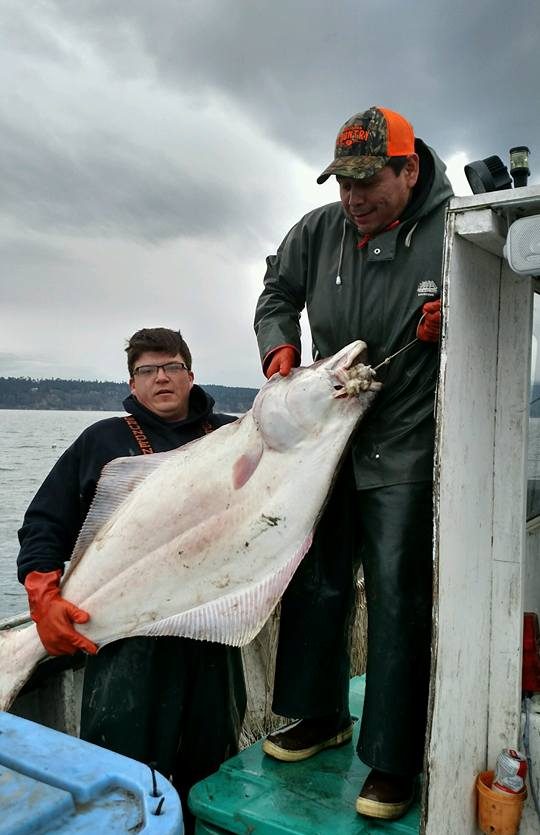
Finfish
The Marine Fish Program, also known as Finfish, produces and distributes salmon and protects Suquamish treaty rights so current and future tribal members can continue practicing our traditions. We do this by opening commercial fisheries, distributing fish to tribal members, and ensuring salmon and other fish are available for ceremonial and subsistence uses. The Tribe employs professional biologists and technicians who actively manage a number of finfish species that include salmon (chinook, coho, chum, sockeye and pink), halibut and other finfish (herring, smelt, rockfishes, flounders and more) within the Tribe’s Usual & Accustomed harvesting areas.
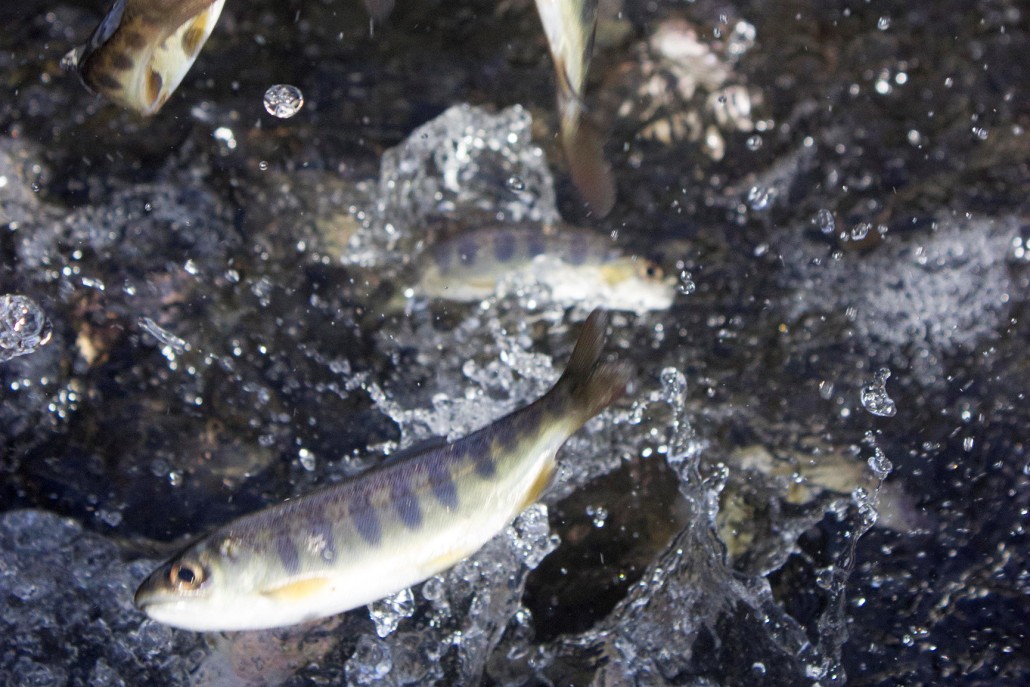
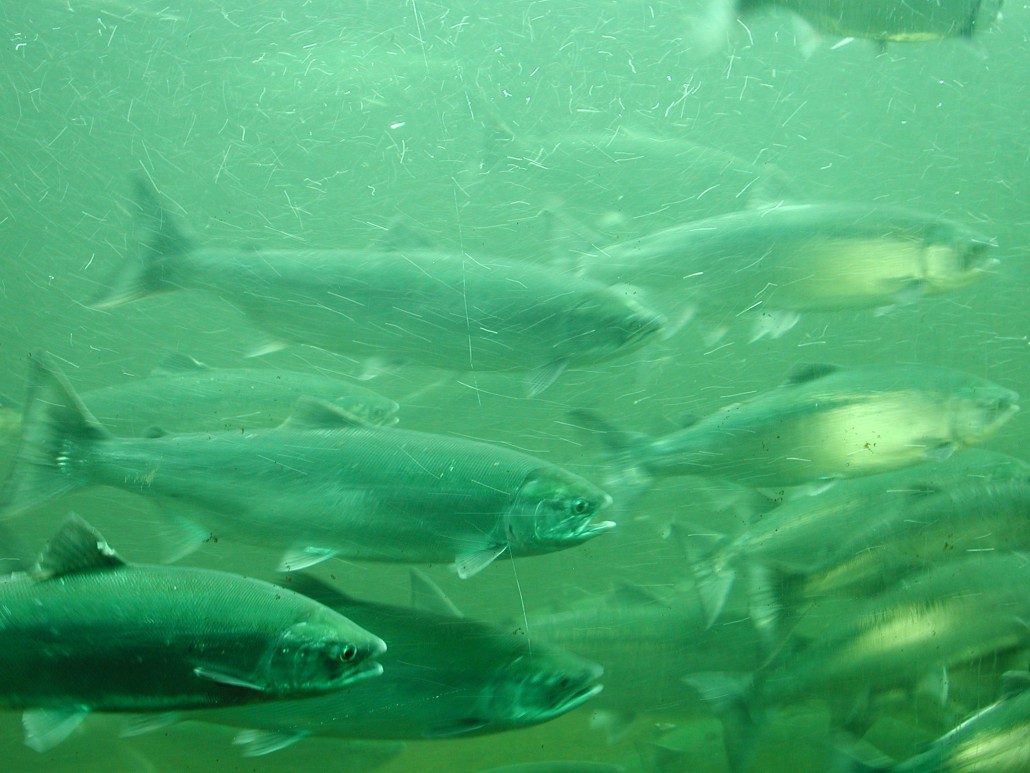

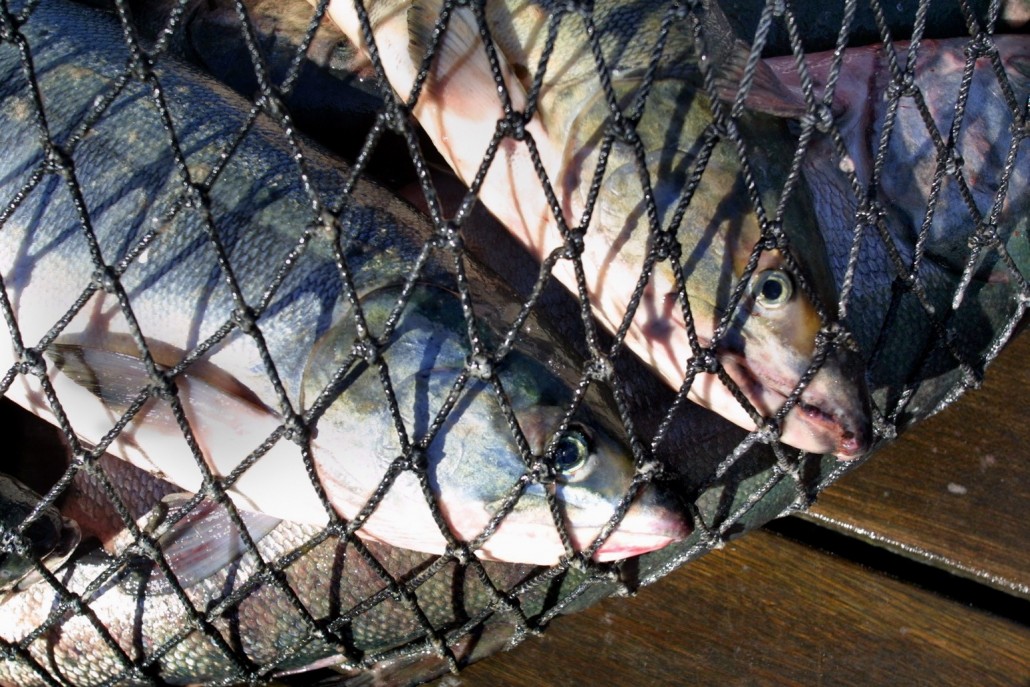
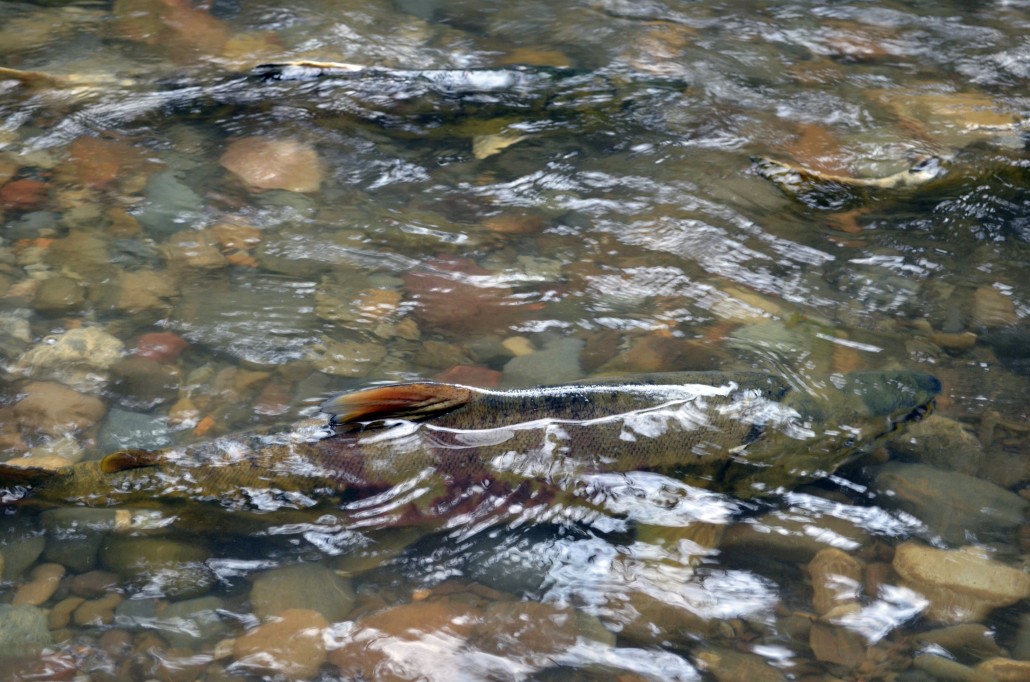
Salmon Enhancement Program
Learn more about the rearing and hatchery facilities managed by the Suquamish Tribe that enhance the Central Puget Sound salmon population and provide for Tribal harvest opportunities. more…
Salmon Health & Population Assessments
Monitoring, sampling and daily stream walks all contribute to forecasting annual salmon runs, which is important for setting harvesting allowances. More…
Fishery Management
Suquamish is one of 24 Treaty Tribes in the Puget Sound Area that co-manage finfish resources with Washington Department of Fish and Wildlife to ensure finfish harvests are sustainably managed and aquatic ecosystems are protected.
Salmon Recovery
Cooperative projects with Tribal, state and federal agencies, groups and property owners to improve salmon habitat through restoration, protection and education. more…
 Cultural Heritage & Harvest
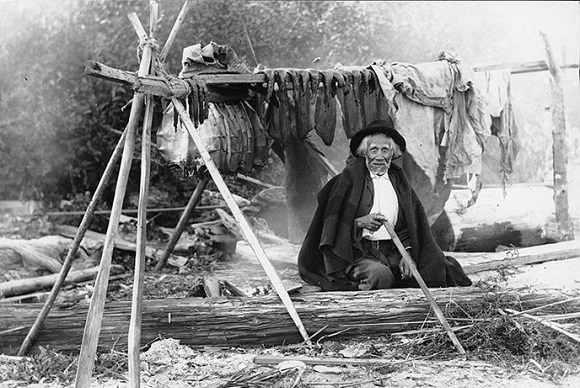
Since time immemorial, the Suquamish People have relied on salmon for food, family use, ceremonial feasts and for trade. Due to the absence of a major river with large salmon runs in their immediate territory, the Suquamish had to travel to neighboring marine areas and beyond to harvest salmon. Today, salmon remains a staple in the diets of Tribal people and is always served at community gatherings. Salmon is also the primary source of income for many Tribal families. The Suquamish Tribe is committed to maintaining the health and productivity of salmon to ensure availability for future generations.
Salmon Management
Survival of salmon in the Northwest is paramount to the Suquamish People. Suquamish, along with other Northwest Treaty Tribes, co-manages salmon fishing throughout the region in a unique government-to-government relationship with Washington State Department of Fish and Wildlife. Each year Suquamish and other Northwest Treaty Tribes work with the Washington State Department of Fish and Wildlife to determine salmon fishing regulations. Suquamish biologists study fish populations and provide annual assessments on the health of salmon throughout the Tribe’s usual and accustomed fishing areas. These studies help determine whether a specific salmon species or run is healthy enough to harvest in the coming season, and provides a framework for policy setting and annual fishing regulation. Additionally, Suquamish spearhead salmon habitat recovery efforts and enhancement programs to revive weak salmon populations.
Treaty Harvest
The Point Elliot Treaty of 1855, signed by Chief Seattle on behalf of the Suquamish Tribe, reserved rights for the Tribe to harvest fish and other resources in its historic and territorial waters. The Boldt Decision reaffirmed these rights and set the stage for the unique co-management structure currently utilized by Suquamish, other Northwest Treaty Tribes and the Washington State Department of Fish and Wildlife.