Important Document Preparedness
Take time to think about which documents you’d need if you had to evacuate quickly, prove your identity, access benefits, or file insurance claims after a disaster. What can you do now to make sure your important records are protected and accessible during an emergency that disrupts normal life for days or even weeks?
Document preparedness starts with knowing which records are essential and gathering them before an emergency happens, not during one. Our peninsula location can mean limited routes in and out, so if you need to evacuate quickly or wait out road closures, having these documents ready to grab (or already backed up) matters even more. Consider gathering the following, at a minimum:
- Identification – Driver’s license or state ID, tribal enrollment card, birth certificates, and Social Security cards for each household member
- Medical records – Immunization records, list of current medications and dosages, health insurance cards, and provider contact information
- Financial & legal documents – Insurance policies (home, auto, health), bank account information, deeds or lease agreements, and wills or powers of attorney
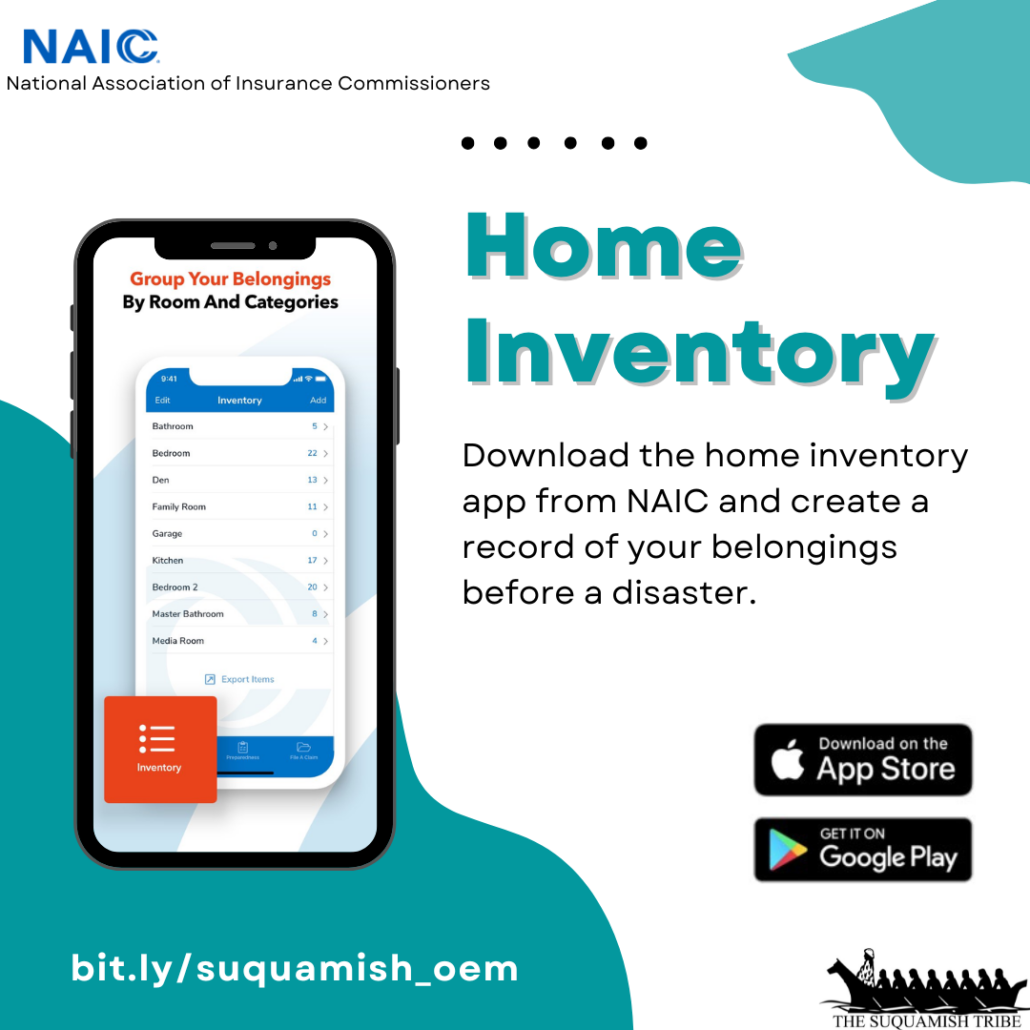
- Household records – Property records, vehicle titles/registration, and an inventory (photos or video) of household belongings for insurance purposes
- Emergency contacts – A written list of family, friends, and support contacts, including an out-of-area contact who can help relay information if local communication is down
- Copies & backups – Keep physical copies in a waterproof, portable container you can grab quickly, and store digital copies (scanned or photographed) in a secure cloud drive or on a USB drive you keep with your kit
- Access plan – Make sure a trusted family member or support person knows where your documents are kept in case you’re unable to retrieve them yourself