
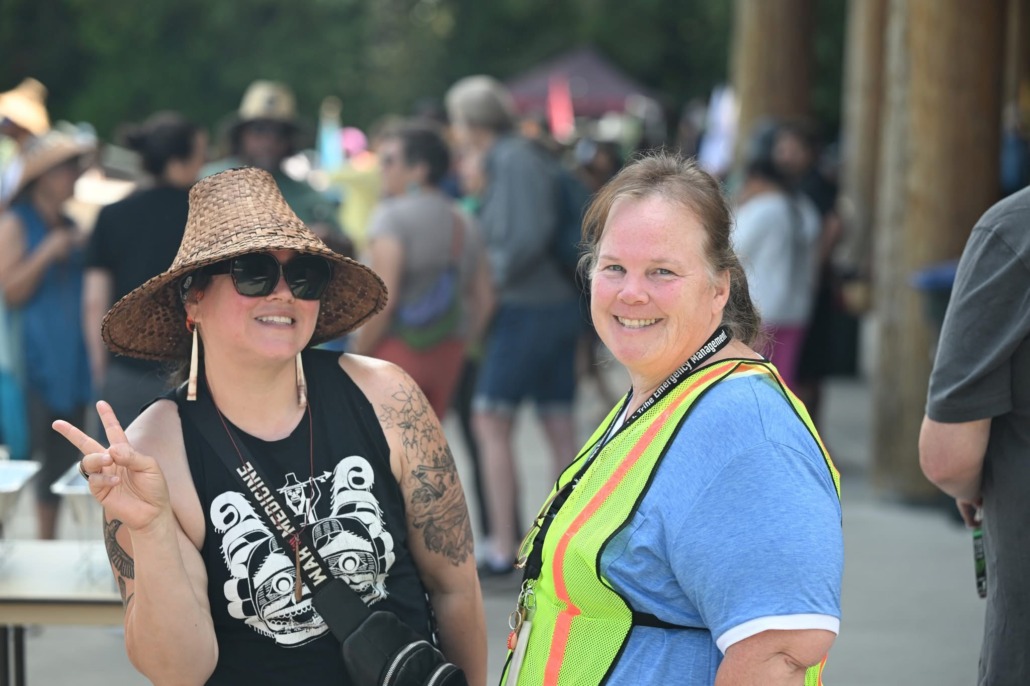
Working together behind the scenes to create, connect, celebrate
Within the Suquamish Tribe, our gatherings — like Canoe Journey, Chief Seattle Days, the Renewal Powwow, and other seasonal celebrations — are more than just events. They’re a time for our community to come together, connect, and celebrate our culture and traditions. Behind the scenes, it takes a lot of teamwork to make these events safe and enjoyable for everyone. That’s where Emergency Management comes in — we help bring departments together and coordinate efforts so the community can focus on enjoying the event. We do this by creating a clear structure for planning and coordination, giving everyone a system to work within so things stay organized and run smoothly.
When we host large events, there are more people, more traffic, and a lot of moving pieces. Planning ahead and working together is what helps everything run as smoothly as possible.
Emergency Management supports this by coordinating resources, making sure the right people and equipment are in place, and keeping communication flowing between departments and with the community. We also plan for things like medical situations, severe weather, crowd movement, and other unexpected issues that can come up.
By working closely with other departments, we help reduce confusion and redundancy, and make sure everyone knows their role if something happens. Our cultural and community events don’t happen on their own — they’re made possible through strong partnerships.
Among just a few of the departments Emergency Management works close with:
- Cultural Resources Department who are the leads and backbone of these events
- Public Safety for security and emergency response
- Facilities & Maintenance for setup and site readiness
- Communications to keep everyone informed
- Community Health for medical support
Each department brings important knowledge and experience, and together we build a plan that supports both safety and a successful event. One of the main tools we create is an Event Action Plan, which helps everyone stay organized and prepared. These plans outline roles and responsibilities, how we communicate, what to do in an emergency, site layouts, and key contacts so teams can quickly connect and respond if needed.
This teamwork doesn’t just stay on paper — it happens in real time at every event. Whether it’s managing traffic, supporting facilities, or working through an unexpected issue, departments are working side-by-side the entire time. Things don’t always go perfectly, and that’s okay. Because we have strong relationships and clear plans in place, we’re able to quickly work through any challenges together using communication and teamwork.
The success of our events reflects the strength of these partnerships and the dedication of the departments. When departments plan together, communicate clearly, and support one another, we create safer and more enjoyable experiences for everyone.
Emergency Management is proud to work alongside our tribal partners — because when we plan together, we protect what matters most: our people, our culture, and our community.

