
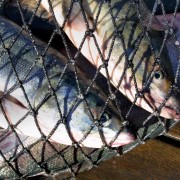
If you are a Tribal Fisher impacted by regulatory tariffs, you may qualify for potentially thousands of dollars in relief funds through the Seafood Trade Relief Program (STRP).
The relief to fishers is based on seafood that has been subject to retaliatory tariffs and suffered more than $5 million in retaliatory trade damages across the United States. Eligible species are Atka mackerel, Dungeness crab, King crab, Snow crab, Southern Tanner crab, Flounder, Geoduck, Goosefish, Herring, Lobster, Pacific Cod, Pacific Ocean Perch, Pollock, Sablefish, Salmon, Sole, Squid, Tuna, and Turbot.
The relief will be calculated based on how many pounds of a specific species a fisherman caught in 2019. For example, every 1000 pounds of Dungeness Crab caught by Tribal fisher last year will fetch $470 in relief funds, says Suquamish Tribe Fisheries Administrative Program Manager Kim Kumpf.
“Some Tribal fisherman harvested nearly 20,000 lbs of crab last year, so that’ll be about $9,000 in relief funding,” says Kumpf.
Similarly, Tribal fishers will be able to claim $760 in relief for every thousand pounds of geoduck harvested last year, and $160 for every thousand pounds of salmon.
Tribal Fishers will need to complete a variety of USDA forms to claim the relief funding, says Kumpf. “This is an application for individual fishers to apply directly to the USDA. This is not through, or with, the Suquamish Tribe. This is direct from fisher to USDA,” she says.
Some quick facts about the program:
A USDA Call Center is available for fishermen who would like one-on-one support with the STRP application process. Please call 877-508-8364 to speak directly with a USDA employee ready to offer assistance.
To download a PDF with official instructions, along with notes from Fisheries, as well as all the forms needed to apply, click here. The individual forms can also be downloaded on the USDA website here.

A newly formed preplanning group from the Suquamish Tribe’s Emergency Operations Center gathered online this week to begin early preparations for vaccination distribution to Tribal members and staff in the coming months.
Dubbed the COVID-19 Vaccine Planning Subcommittee, the task group consists of Suquamish Tribe Acting Co-Director Jamie Gooby, EOC Manager Cherrie May, Community Health Nurse Barbara Hoffman, Tribal Attorney Melody Allen, Marion Forsman-Boushie Early Learning Center School Nurse Renee Hommel, EOC Public Information Officer Jon Anderson, and Emergency Management Consultant Eric Quitslund.
The first meeting of the planning group focused on reviewing the Tribe’s Pandemic Response Plan, getting an overview of medical countermeasures, and beginning the work of assessing vaccination priority groups.
“At this point, there are still a lot of unknowns in terms when the first vaccine will be approved, when – and in what quantities – it will be available, and how it will need to be controlled and administered,” said May. “So, this first meeting was really centered on what kind of questions we need to be asking and what potential scenarios we need to be thinking through.”
Also of paramount concern is vaccine safety.
“We will be listening to and consulting with the medical and scientific experts we know and trust,” said Gooby. “That will play a big role in which vaccine Tribal Council ultimately opts to make available and when Tribal government decides to deploy it.”
Currently, there are 11 vaccines now in the final “Phase 3” level of testing, including four underway in the United States. Phase 3 testing for each potential vaccine involves some 30,000 volunteers, who take either the candidate vaccine or a placebo, across dozens of sites around the country.
Vaccines work by training your body’s natural defenses to recognize and fight off viruses. “If the body is exposed to those disease-causing germs later, the body is immediately ready to destroy them, preventing illness,” according to the World Health Organization.
New rules from the Food and Drug Administration issued on Oct. 6, suggest the earliest the first COVID-19 vaccine might be approved for emergency use is mid to late November, with large-scale availability ramping up over several months after approval.

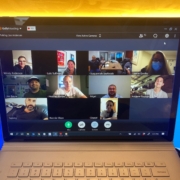
Here’s a rundown of the next online Forums scheduled for Suquamish Tribal members:
Sept. 3 – Enterprise: Suquamish Evergreen Corporation: Agate Dreams and Token
Sept. 10 – Cultural Sharing: Song and Dance
Sept. 17 – PME Casino Resort, Retail, White Horse, Kiana Lodge
Forum are held online every Thursday at 4:30pm. Link and login information is sent via the Tribe’s free Suquamish Updates Now (SUN) text service. Suquamish Tribe members can sign up for SUN here.
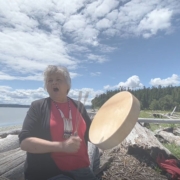
Recognizing these unprecedented times, the Suquamish Tribal Elders, in cooperation with the Suquamish Tribe Human Services Elders Program, offer this special video gift to the graduating Class of 2020.