Planning for the future

Strengthening community resilience.

  • The Suquamish Tribe is exploring the creation of a new center to strengthen community resilience, safety, and emergency preparedness. The center can include services and supports for everyday life, like a food bank and community gathering spaces, as well as spaces necessary for disaster response for the Port Madison Reservation and surrounding areas.
  • This effort is currently in a visioning phase. The Tribe received a grant from the Washington State Department of Commerce’s Planning and Predesign Capital Equity Program (PPCEP) to support planning and predesign activities.
  • The preplanning phase runs through December 2025. The Tribe is assessing needs, studying site feasibility, and gathering input from community members about what should be included in this future facility. The next project phase will focus on identifying funding opportunities.
  • The proposed project site is at the northwest corner of NE Suquamish Way and Division Avenue NE, on Tribal trust land.
  • Visit this page for project updates, upcoming opportunities to contribute your thoughts, and future concept designs. Together, we can build a space that protects, prepares, and reflects the values of the Suquamish community.

WHAT IS THE NEW CENTER MEANT TO SUPPORT? 

  • The new center is meant to support community resilience. It can bring together community supports, public safety coordination, and emergency operations in one location. It could also serve as a shared space for community and regional partners before and during emergencies, improving coordination and response capabilities.
  • The project is being developed in collaboration with North Kitsap Fire & Rescue and other partners across North Kitsap and Bainbridge Island.

WE NEED YOUR GUIDANCE:

The Tribe invites all community members to share their thoughts and ideas as planning moves forward. Your input will help guide the design and priorities of this project.

We’d like to know:

  • What does resilience mean to you?
  • What community assets are needed to support that resilience? These can include community services, facilities, and practices that support community health, wellness, security, connectedness, and emergency preparedness.
  • What do community members need to be more prepared for natural disasters or emergencies? This could include information, supplies, and plans.
  • What services or programs should a community resilience center offer? These could include supplies, provisions, planning support, information, and opportunities that build community connections and mutual support.
  • How can traditional knowledge and cultural values guide community resilience and emergency preparedness? How can we incorporate our stories, art, and language into the design and function of the buildings? How can we strengthen community resilience through traditional knowledge and cultural values.

Please email your responses to Cherrie May, Emergency Manager, at cmay@suquamish.nsn.us

Volunteer Newsletter-July 2024

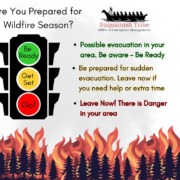
Ready, Set, Go!

Volunteer Newsletter-June 2024

Volunteer Newsletter- May 2024

Disaster Related Stress- What to Know

Pet Emergency Preparedness Tips

Chairman Forsman calls for local action on climate change

To Suquamish Tribal citizens, families, and staff,

Climate change has affected us all in many ways.  Summers are much hotter, and rising water temperatures threaten our ecosystems.  I’m writing to you because of our need to take action here in our homeland as the impacts of climate change inevitably get worse. Federal and state government, local utilities, private foundations, and intertribal organizations have funding available to invest in climate change adaptation and carbon reduction strategies. These opportunities mean our tribal nation could get the resources we need to assure our tribal nation survives, and even thrives, as this crisis unfolds.

To do this, we need your help.

From tribal citizens, we need your input. We will be setting priorities as part of the planning and implementation of climate solutions that will impact our community for years into the future. We need to know what is important to you, how you want to see things change, and where you don’t want to see things change as we respond to this crisis. Your input will help us create a plan that will best serve our tribal families for generations to come. Please respond to requests from the team working on this project on behalf of the Suquamish Tribe.

From tribal staff, we need your active participation in carrying out these priorities. The climate crisis will affect virtually everything we do as a tribal nation. We plan to focus on reducing our own carbon footprint and on building our resilience so we can survive and thrive in spite of the changes in temperature, ocean conditions, economics, well-being, health, and so on.  Solar panels and electric vehicles are familiar opportunities, but there are other actions we can pursue, and we look forward to your suggestions as well.

Our Office of Emergency Management in collaboration with the Treaty Rights Division is taking the lead on this planning, but they will be calling on many others to be part of this process. I ask that you respond when asked and help do the necessary planning and implementation.

Our goals are both to prepare our nation for this unfolding crisis, and to tap the federal resources now available that can help us reduce our climate footprint and prepare to weather the coming storms.

Sincerely,

Leonard Forsman

King Tides