Public Health Update: Respiratory Illness

There have been reports of COVID-19 and other flu-like respiratory illnesses in the community. Taking a few simple precautions can help protect you, your family, and others.

Help Prevent the Spread of Respiratory Illness
  • Stay up to date with recommended immunizations for Flu, COVID-19, and RSV, if eligible.
  • Wash your hands frequently with soap and water. If soap and water are not available, use an alcohol-based hand sanitizer.
  • Cover coughs and sneezes with a tissue or the upper part of your sleeve. Throw used tissues away and wash your hands afterward.
  • Avoid touching your face with unwashed hands.
  • Consider wearing a well-fitting mask, especially when you are sick or will be around people who may be at higher risk for serious illness.
  • Clean frequently touched surfaces, such as counters and doorknobs.
  • Improve indoor air when possible by bringing in fresh outdoor air or using an air cleaner.
  • Stay home when you are sick.
When You Have a Respiratory Illness

Stay home and away from others, including people you live with who are not sick, when possible.

Symptoms of respiratory illness can include:

  • Chills
  • Fever or feeling feverish
  • Fatigue
  • Cough
  • Runny or stuffy nose
  • Sneezing
  • Headache
  • Sore throat
  • Decreased appetite
  • Muscle or body aches
  • New loss of taste or smell
  • Weakness
  • Wheezing
  • Vomiting or diarrhea
When Can I Return to Normal Activities?

You can return to normal activities, including work, when both of the following have been true for at least 24 hours:

  • Your symptoms are getting better overall; and
  • You have not had a fever and are not using fever-reducing medication.
Take Extra Precautions for the Next 5 Days

Even when you are feeling better, you may still be able to spread the virus that made you sick.

For the next five days:

  • Consider wearing a well-fitting mask when you are around others.
  • Practice good hand hygiene.
  • Improve ventilation or use cleaner indoor air when possible.
  • Consider physical distancing or testing when you will be around other people, particularly those at higher risk for serious illness.

If you develop a fever or begin feeling worse after returning to normal activities, stay home and away from others again. You may return to normal activities when your symptoms are improving overall and you have been fever-free without fever-reducing medication for at least 24 hours. Then take added precautions for another five days.

If You Are at Higher Risk for Serious Illness

If you are age 65 or older or have a medical condition that increases your risk of complications from respiratory illness:

  • Consider testing for COVID-19 or flu. At-home COVID-19 tests and some combination COVID-19/flu tests are available. Community Health and Healing House are not providing tests at this time. Tests may be purchased at pharmacies.
  • Contact your primary care provider promptly to ask whether testing or antiviral medication may be appropriate. Treatments for COVID-19 and flu work best when started early.
  • If you are an established Healing House patient, contact Healing House for guidance. Healing House does not accept walk-ins. If you cannot see your primary care provider, consider an urgent care clinic.
Managing Symptoms at Home

Most people with mild respiratory illness can manage their symptoms at home.

Helpful measures include:

  • Get plenty of rest.
  • Drink plenty of fluids.
  • Use over-the-counter medications, such as fever or pain reducers, as appropriate. Read and follow package directions carefully and contact your healthcare provider or pharmacist if you have questions.
  • Over-the-counter cough and cold medicines are not recommended for children younger than 6 unless directed by a healthcare provider.
  • Consider using a clean, cool-mist humidifier or vaporizer.
When to Seek Medical Care

Contact a healthcare provider if you or your child:

  • Have a medical condition that increases the risk of severe illness.
  • Have signs of dehydration.
  • Have a fever lasting longer than four days.
  • Have symptoms lasting more than 10 days without getting better.
  • Have symptoms, such as fever or cough, that improve and then return or worsen.
  • Have a chronic medical condition that gets worse.

Seek emergency medical care for trouble breathing, chest pain, or other severe or concerning symptoms.

This list is not all-inclusive. Contact a healthcare provider for any symptom that is severe, worsening, or concerning.

Sources

Centers for Disease Control and Prevention (CDC):

  • Preventing Spread of Respiratory Viruses When You’re Sick
  • Manage Common Cold
  • Preventing Respiratory Illnesses

care

Becoming Well: Suquamish Tribe moves forward with plans for new healing and wellness center in Poulsbo

The Suquamish Tribe is laying the groundwork to open a new addiction healing and wellness center in Poulsbo — part of a strategy to expand access to holistic, culturally grounded care for those in recovery.

The center will be located in a former bank building, an acquisition made possible through $18.48 million in funding secured from the Washington State Legislature. The funds, from the state’s capital budget, will fully cover the cost of purchasing and remodeling the facility.

All that work will take time. Redesign and renovations to transform the two-story, 30,000-square-foot bank into a health center are expected to take at least a year. And then will come equipping and staffing, with plans to open the facility in 2027.

The yearlong remodel is only one part of the effort. Behind it is a broader push to strengthen the tribe’s response to the opioid crisis — a case tribal health leaders recently laid out in Olympia.

A win for tribal partnerships

“We built a case to the state legislature, with data showing that Indigenous-led opioid treatment programs have been the most effective in Washington, said Suquamish Community Health Manager Jeff Riggins, who also chairs the Suquamish Tribe’s opioid emergency steering committee, “We showed that we wouldn’t reinvent the wheel—we’d model our clinic after what’s already working.”

That approach received strong backing in Olympia. Sen. Drew Hansen, Rep. Tarra Simmons, and Rep. Greg Nance worked closely with Suquamish Tribe leaders to move the funding request through the legislature.

It’s a win Nance credited to strong advocacy from Chairman Leonard Forsman and the rest of Council, Riggins — who helped draft the legislative package — as well as other tribal government experts who helped lobby in Olympia in recent months.

“We have a lot of neighbors dealing with mental health challenges, dealing with addiction challenges. Day in and day out, these folks can slip through the cracks, but not on Suquamish’s watch,” said Nance in a briefing earlier this year with Tribal Council. “Budget leaders kept saying there’s no money for this, there’s no money for this. But Chairman Forsman is a persuasive leader. And by the end of it we have an $18 million investment that will save people’s lives right in our community.”

Modeled on centers of excellence

The treatment facility will serve both Suquamish tribal members and the broader Kitsap community and will be modeled on successful tribal centers of excellence such as those at Swinomish and Jamestown S’Klallam.

Planning focuses on offering wraparound services aimed at treating the whole person in a single, welcoming setting. The exact mix of services continues to be refined, but will include opioid treatment, primary medical care, and behavioral health and recovery support.

“Best practices in opioid treatment show that comprehensive care under one roof works best,” said Clinic Director Deborah McRae. “This facility will reduce barriers to care and support long-term wellness.”

McRae, who retired from the Navy after 20 years of service and has worked with major healthcare providers throughout Kitsap, was recently hired to help stand up the new center.

Reducing barriers to care

The Poulsbo location was chosen for its accessibility and potential. “This building is right on major bus lines and highways,” Riggins said. “We want to reduce as many barriers as possible for people seeking care.”

He added that placing the center off the reservation also helps protect privacy. “A lot of folks don’t feel comfortable walking into a wellness facility that’s right in the center of their community, especially when there’s stigma attached,” he said. “This is close to home, but with more discretion.”

There were no suitable buildings in Suquamish that could accommodate the facility’s needs, and new construction would have added significant cost and delay. Reusing an existing structure with features like secure vault spaces also opens the door to innovations such as on-site pharmacy services.

Next steps

Bremerton-based architecture firm Rice Fergus Miller was selected to design the building’s remodel, and Tacoma-based Korsmo Construction will turn the designs into reality. Both companies have experience creating aesthetically pleasing and patient-focused medical facilities. Early designs are in the works, and the permitting process will soon begin with the City of Poulsbo.

“We’re excited for the next steps of working with the city,” Riggins said. “They’re a key part of making this a reality.”

The facility will reflect the tribe’s commitment to culture-centered care — a model shown to improve outcomes for Native and non-Native patients alike.

In the coming months, tribal government staff hope to host community visioning sessions and listening circles about the new center.

“This will be a Suquamish place,” Riggins said. “And what we’ve seen is that when tribal communities lead this work, the whole community benefits.”


For more information and a list of FAQs, visit: https://suquamish.nsn.us/health-division/behavior-health-center/

Announcement

The Suquamish Tribe to acquire Kitsap OBGYN in January 2026. 

The Suquamish Tribe to acquire Kitsap OBGYN in January 2026. 

Suquamish, Wash. — The Suquamish Tribe and Kitsap OBGYN are pleased to announce that they are joining forces in the new year. This partnership allows Kitsap OBGYN to offer the same level of health services that women in the region depend on for obstetric and gynecological care.  

“Kitsap County is often referred to as an ‘OBGYN desert’ with more demand than there are available providers,” said Amity Marriott, a doctor at Kitsap OBGYN. “I have seen estimates that one in four expectant mothers in Kitsap travel to King or Pierce counties for care. By becoming part of the Suquamish Tribe’s medical offerings, we are able to operate more efficiently and effectively, allowing us to focus on our patients.” 

For the Suquamish Tribe, acquiring the practice makes sense both practically and fundamentally.  

“When the tribe opened our Healing House in 2023, we filled a void for both tribal and non-tribal members seeking primary care in North Kitsap,” said Leonard Forsman, Chairman of the Suquamish Tribe. “Expanding our scope of services to include specialized care for women allows us to make progress toward our goal of improving the health of our tribal community, while also providing resources that will benefit the greater region.”  

Both organizations are working behind the scenes to ensure as smooth of a transition as possible, which includes having the tribe credential with the same insurance providers currently accepted by Kitsap OBGYN. And as fortune would have it, the name of the medical practice will remain the same — Chief Kitsap was one of the tribe’s great leaders from the 19th century. 

“We will continue to offer compassionate and personalized medical care for women,” said Marriott. “The only difference will be that we will be offering this level of care with the support of the Suquamish Tribe. We are honored that the tribe recognizes the importance of our work and is helping us maintain our high standard of excellence.”  


WHAT HAPPENS IN 2026?  

  • Healthcare services provided by Kitsap OBGYN will be open to both tribal and non-tribal members of the community.   
  • Kitsap OBGYN locations in Poulsbo and Silverdale will remain open and will continue with deliveries and surgeries at St. Michaels Medical Center, as well as surgeries at Pacific Surgery Center.   
  • Kitsap OBGYN staff will fall under the Suquamish Tribe’s umbrella, joining the 450+ staff members across tribal government.  


New Weight Loss Group Starting April 22

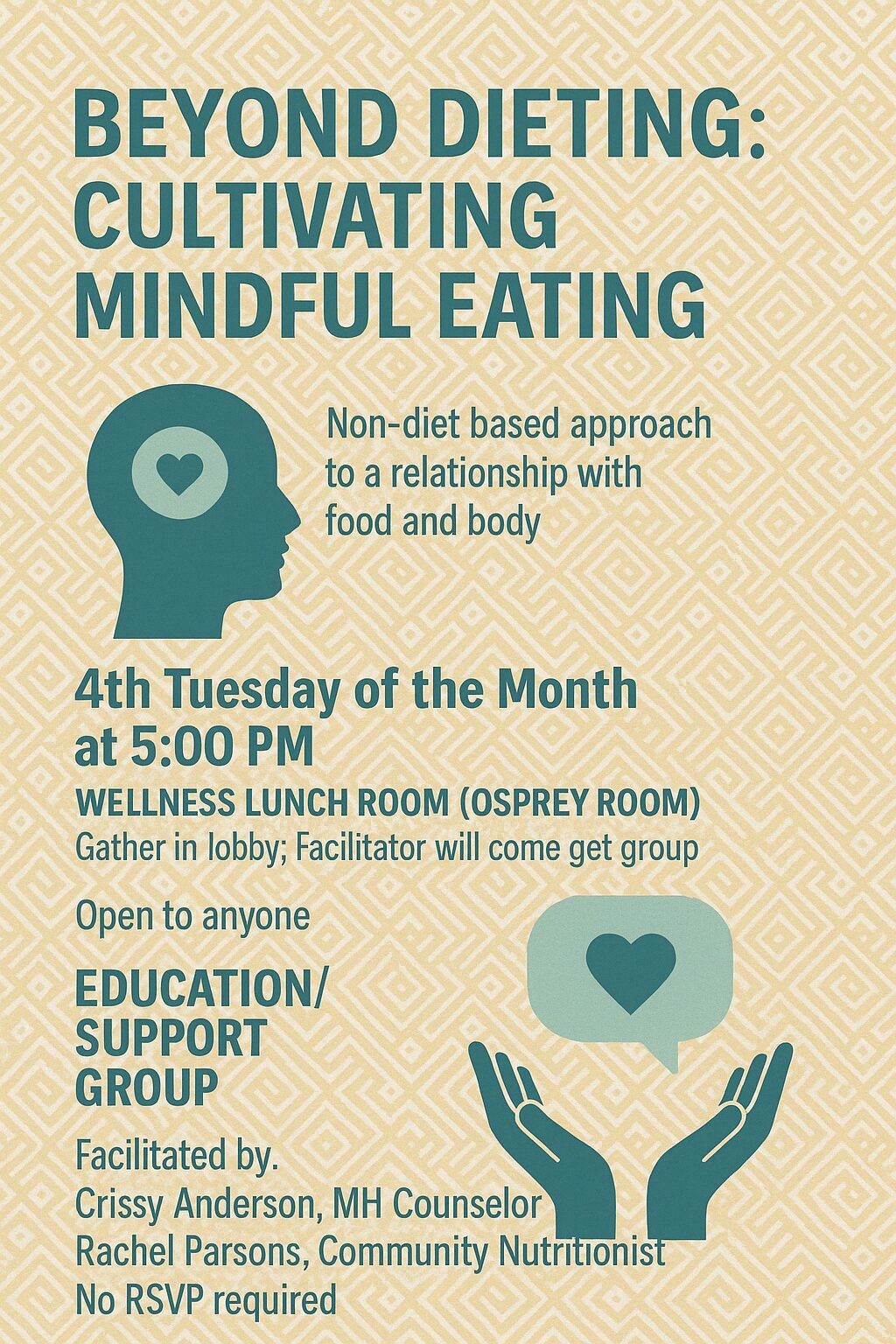
The Suquamish Tribe Health Division is proud to offer a new monthly weight loss group, “Beyond Dieting: Cultivating Mindful Eating”.

The group will meet the 4th Tuesday of the month at 5pm in the Wellness Osprey Room, starting April 22. Facilitated by Crissy Anderson, Mental Health Counselor, and Rachel Parsons, Community Nutritionist, this education and support group focuses on a non-diet based approach to a healthier relationship with food and your body. No RSVP Required.

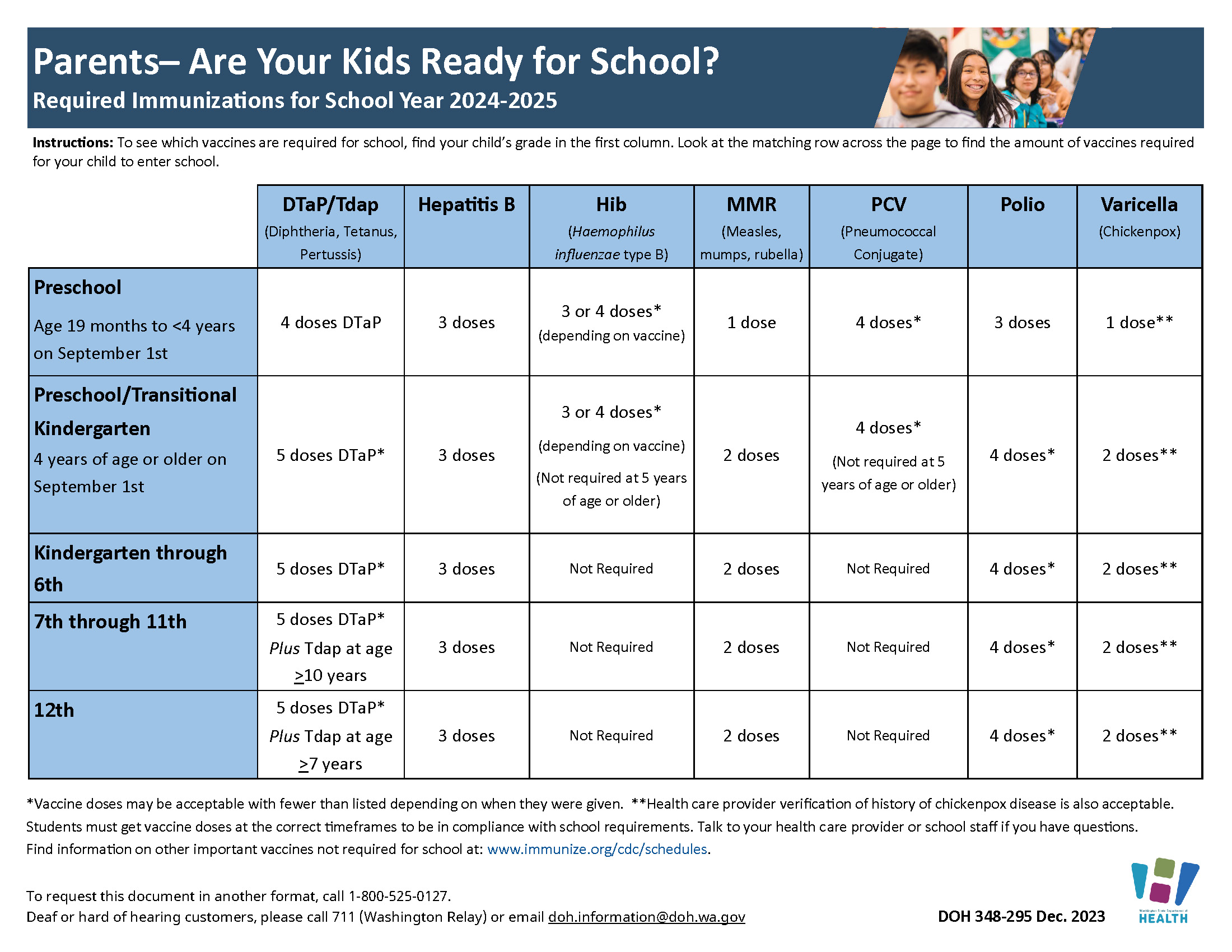
Vaccines: Getting kids up to date

Kitsap Public Health Advisory: Update on measles activity

Kitsap Public Health District released a Health Advisory on Feb 29 with an update on measles activity. Per Healing House Primary Care’s Dr. Kristine Ewing, here are the four main takeaways:

  • Measles is a vaccine preventable disease that is on the rise due to decreases in vaccination.
  • Measles is characterized by a rash following the onset of fever, cough, runny nose and pink eye.
  • If you have these symptoms, wear a mask, isolate from others, and call your doctor for guidance on how to be evaluated.
  • MMR vaccine is 93% effective against measles after one dose, and 97% effective after two doses.

To read the full advisory, visit the Kitsap Public Health District website.

A picture of Healing House, where Community Health is co-located.

Healing House Primary Care Expands Eligibility

Suquamish Tribe Healing House Primary Care Clinic is now accepting new patients from the following groups:

  • Suquamish Tribal Members and their families
  • American Indian/Alaska Native tribal members/descendants enrolled in other federally recognized tribes
  • Suquamish Tribal Government staff and their families
  • Port Madison Enterprises employees and their families

For these patients Primary Care accepts any insurance. Primary Care is also now accepting anyone with Medicaid.

Primary Care is currently at capacity for all other patients with private insurance and Medicare.

All patients must provide proof of insurance.  For American Indians/Alaska Natives without insurance, please call the clinic for Medicaid enrollment assistance.

For more information regarding eligibility and new patient registration, please contact the Healing House reception desk at (360) 394-1350.

A picture of Healing House, where Community Health is co-located.

Suquamish Tribe 2023 COVID-19 Testing

As COVID cases continue tick up throughout the region, Suquamish Tribe is taking steps to help reduce the spread.

Beginning Monday, Aug. 21, Community Health will resume drive-up PCR testing for tribal member households, government staff, and PME employees at the Healing House parking lot from 8:30-10am. The testing will continue until Friday, Sept. 1.

Free home tests are also available at Community Health while supplies last.

Tribal government employees who test positive:

  1. Must stay home for five full days, beginning the day after symptoms first start.
  2. Once symptom-free, you can come back to work, but must wear a mask for ten days from symptom onset.
  3. Even if you do not test positive, if you are experiencing any COVID-related symptoms – even if it just feels like a minor cold – employees must stay home.
  4. If you are a close contact, remember to wear a mask for 10 days and test on the 5th day.
  5. If anyone in your household tests positive, and you are symptom free, you may still come to work, but must wear a mask for 10 days.

For the most part COVID symptoms remain the same — sore throat, congestion, fatigue, fever, and cough are still the most common. Some may also experience gastrointestinal symptoms, and there are reports that one COVID strain can cause pink eye.

Rapid tests are still accurate for all of the variants that are circulating. If you have symptoms but get a negative result, wait two days and test again.

If you test positive for COVID and you’re over age 50 or have chronic medical issues including asthma, ask your doctor about getting a Paxlovid prescription as soon as possible because it can reduce the risk of hospitalization and long COVID if you start taking it within the first five days of an infection.